
New Updates

FUEL HEDGING & NATURAL GAS MARKET UPDATE (March 23, 2026)
PRICES MIXED – INVENTORIES HIGHER VS. FIVE-YEAR AVERAGE AND EQUAL TO EXPECTATIONS – PRODUCTION LOWER – DEMAND HIGHER EXPORTS HIGHER – RIG COUNT LOWER – HEDGE FAVORABILITY LOWER
Price Movement:
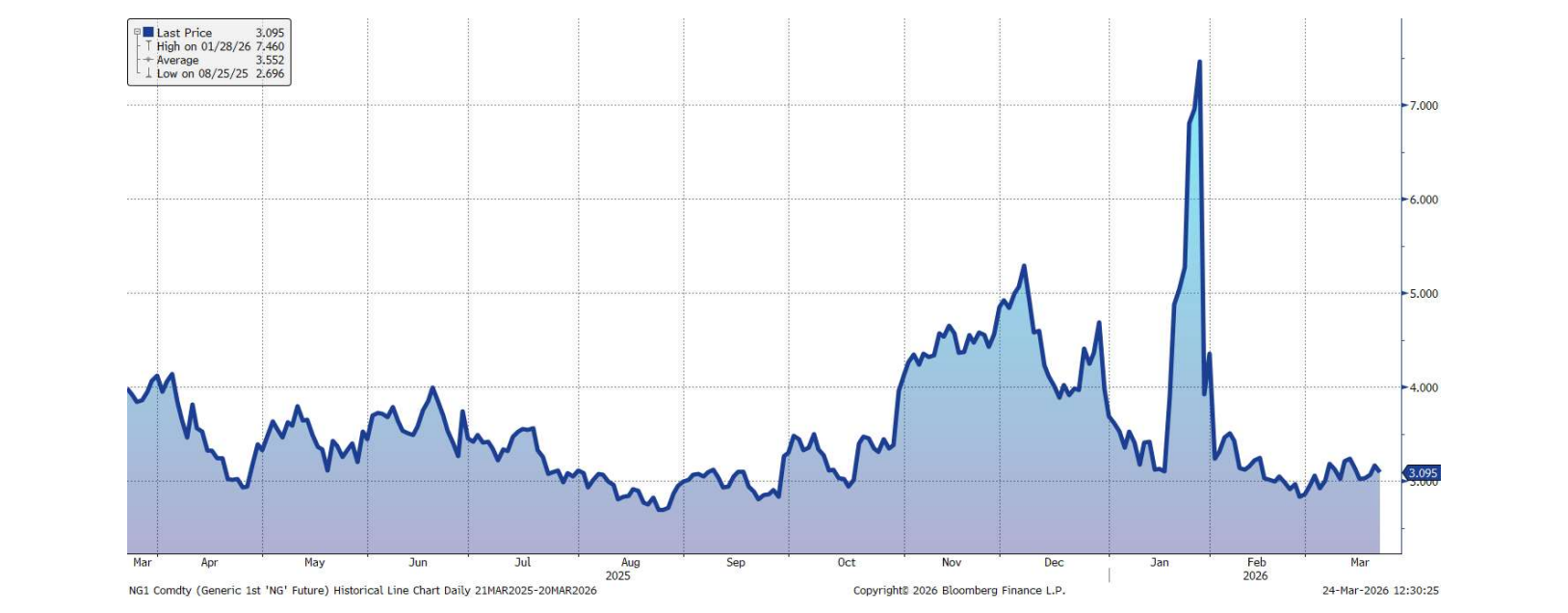
- Spot price decreased by $0.036 per MMBTU
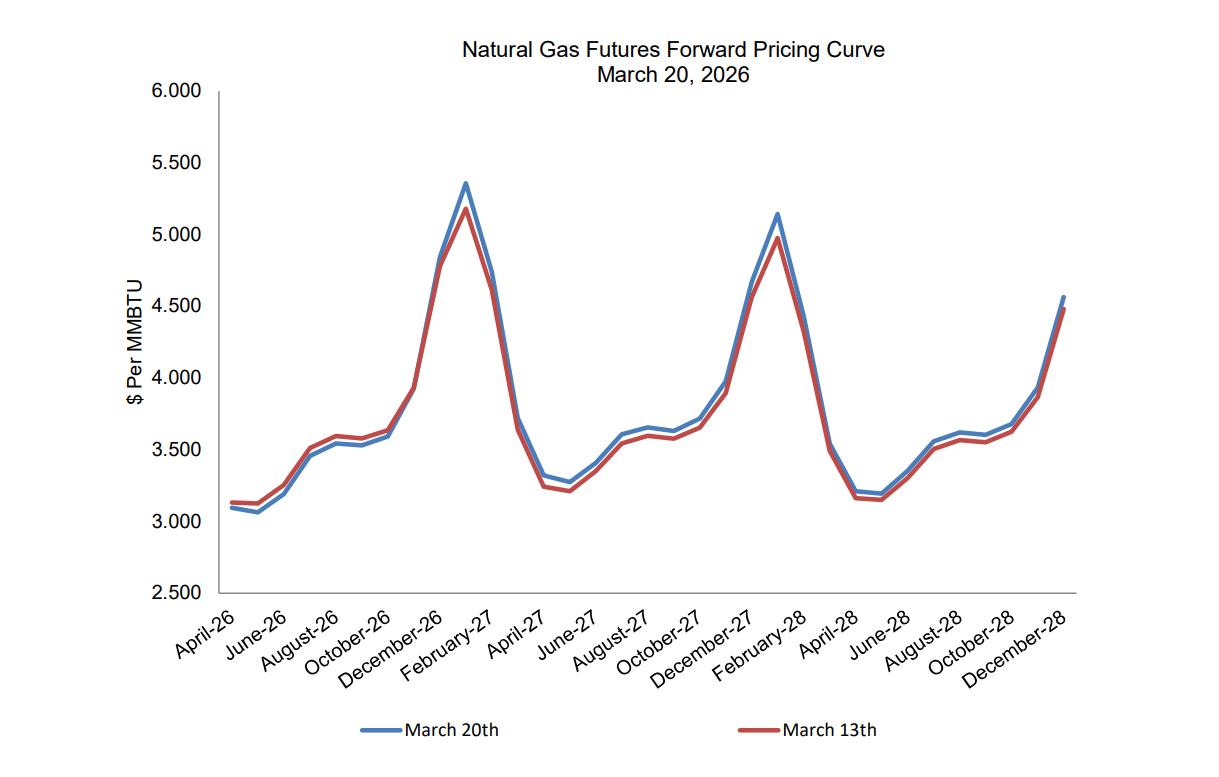
- Forward price increased by $0.065 per MMBTU
Key Drivers:
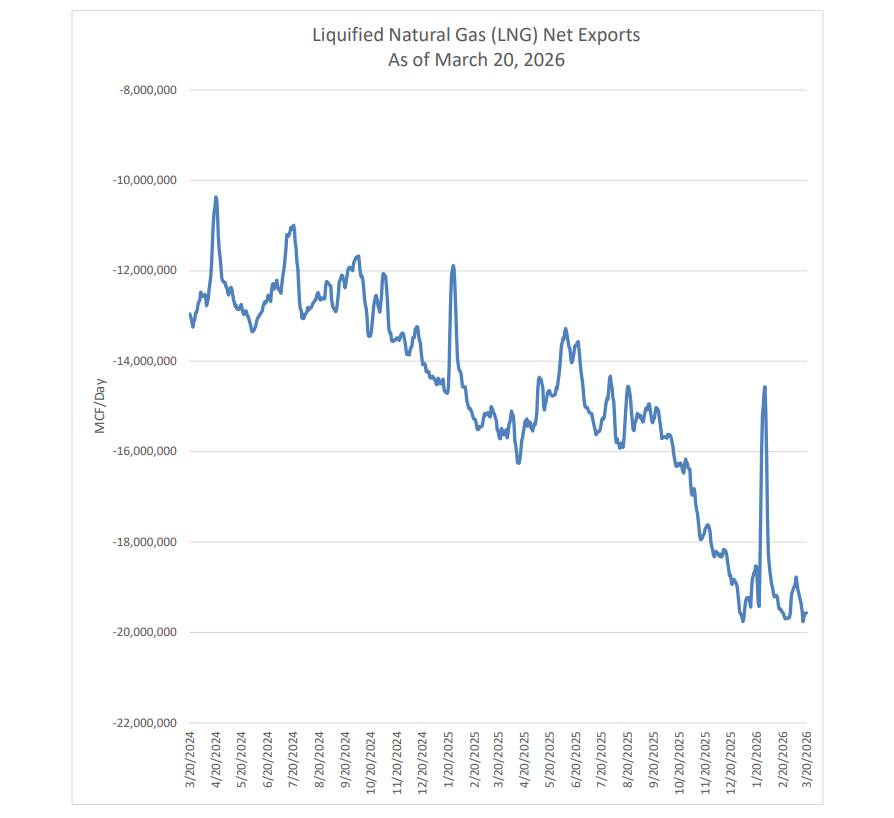
- LNG Exports: Remain maxed out, meaning exports cannot be increased to alleviate supply disruption from the Iran conflict. This keeps US inventories steady.
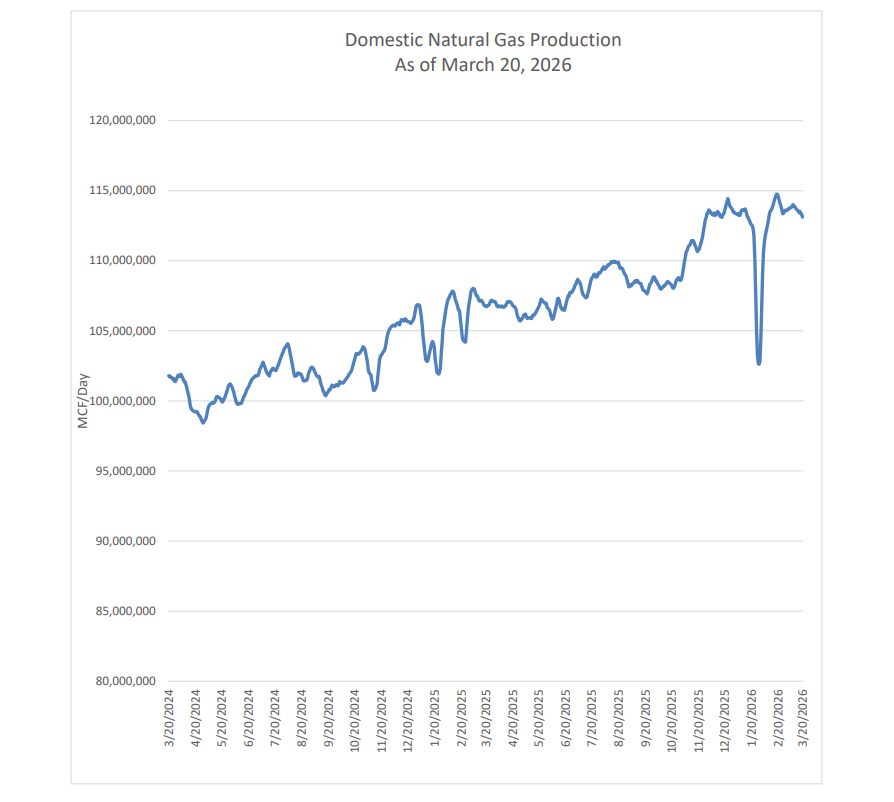
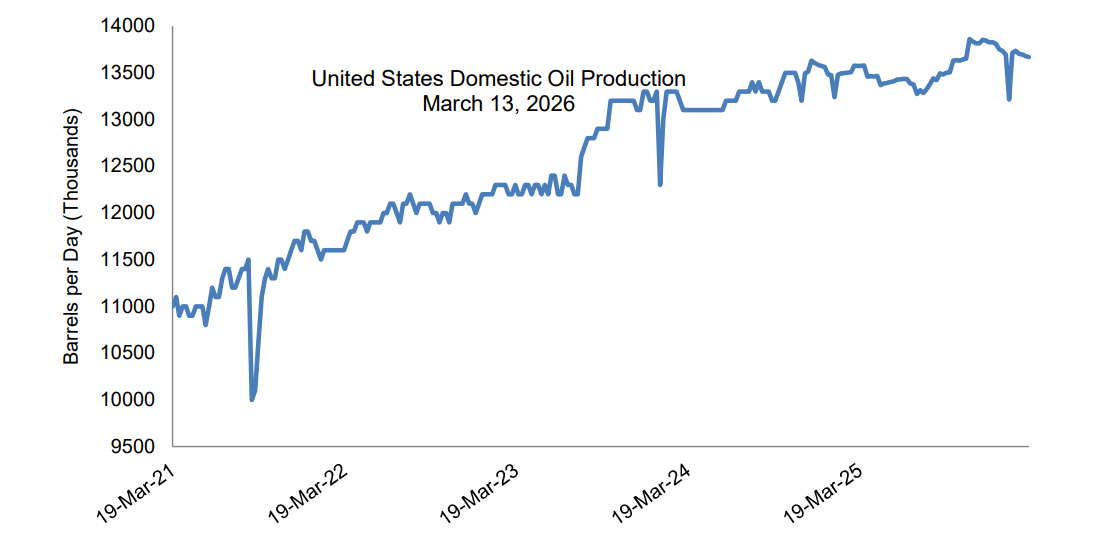
- Production: Domestic production decreased slightly, which is positive for prices.
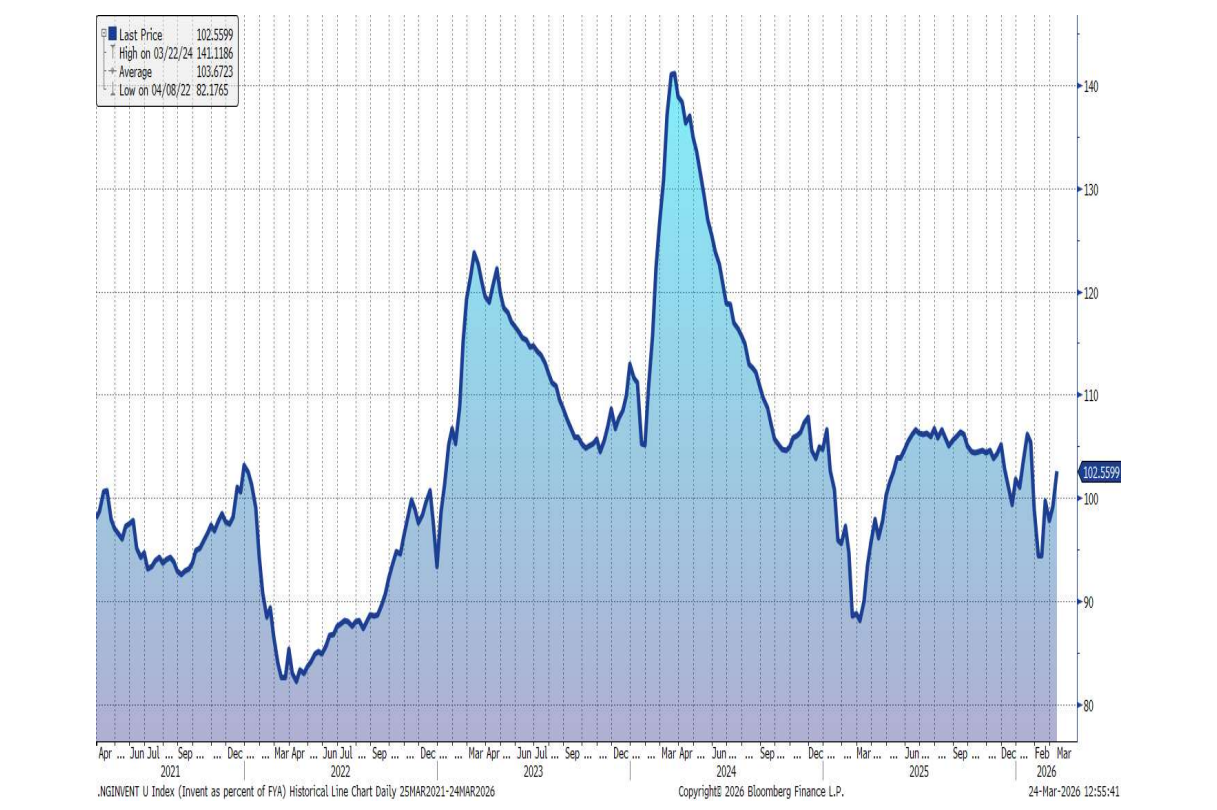
- Inventories: Higher than expectations and the five-year average, which is negative for prices.
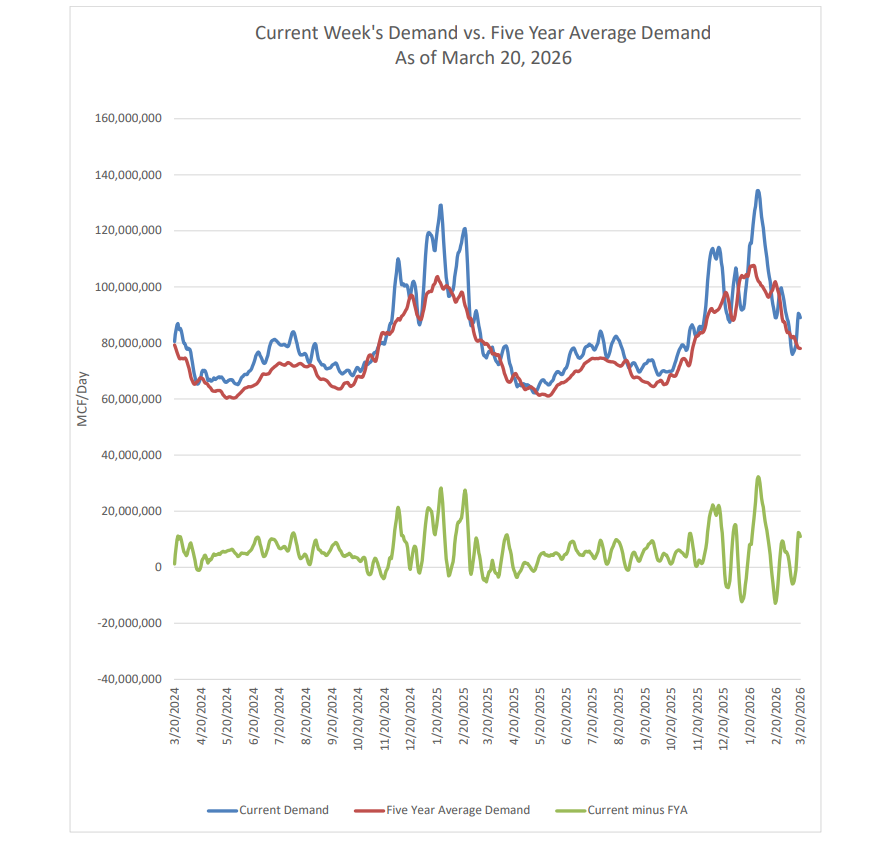
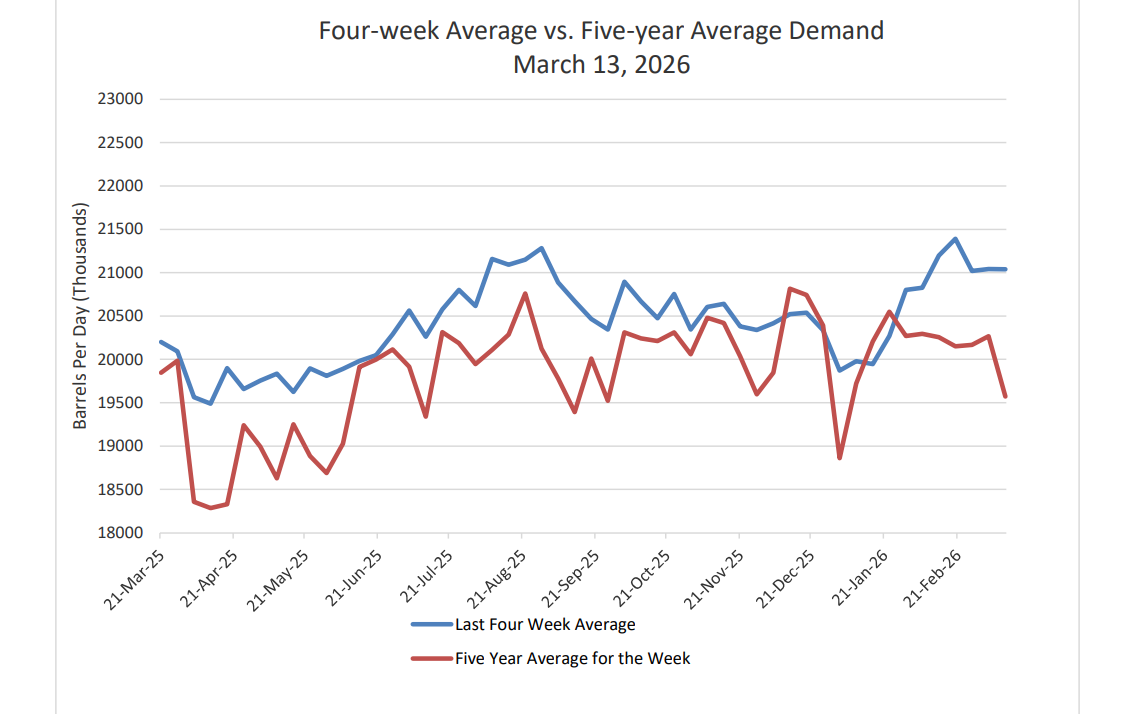
- Demand: Higher due to warmer temperatures, but still below typical heating season levels.
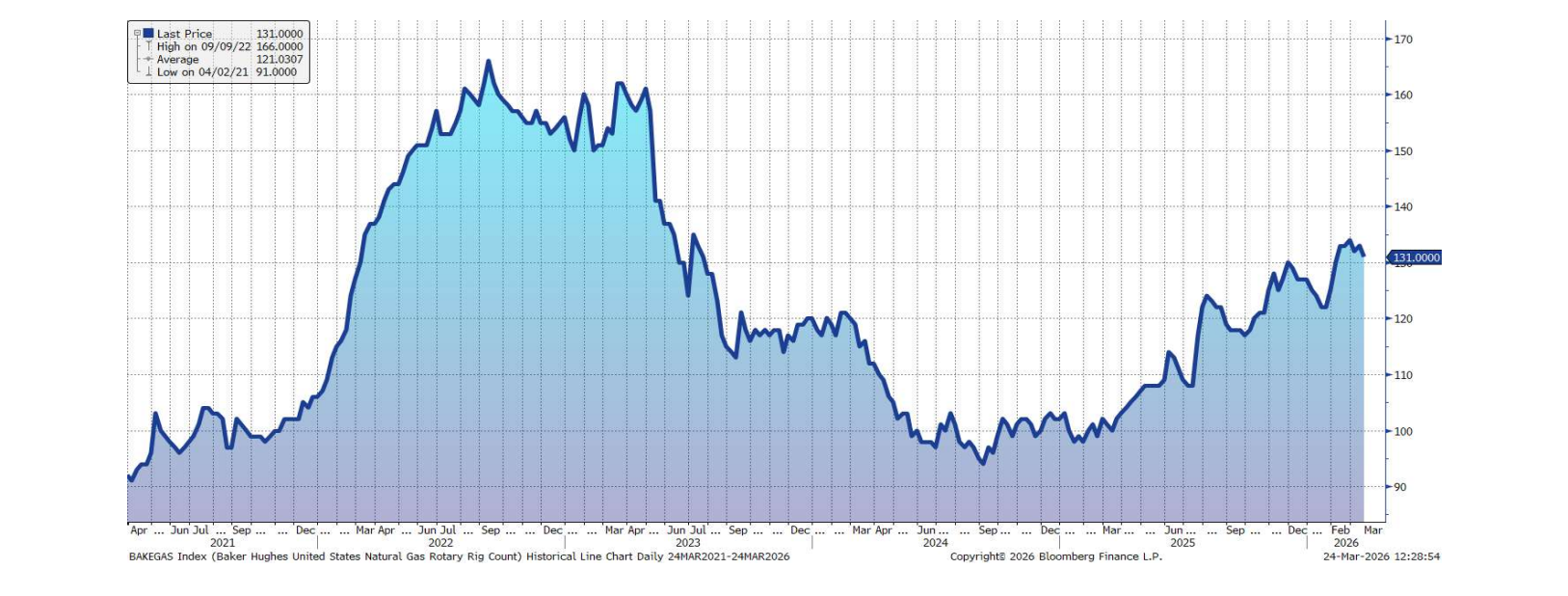
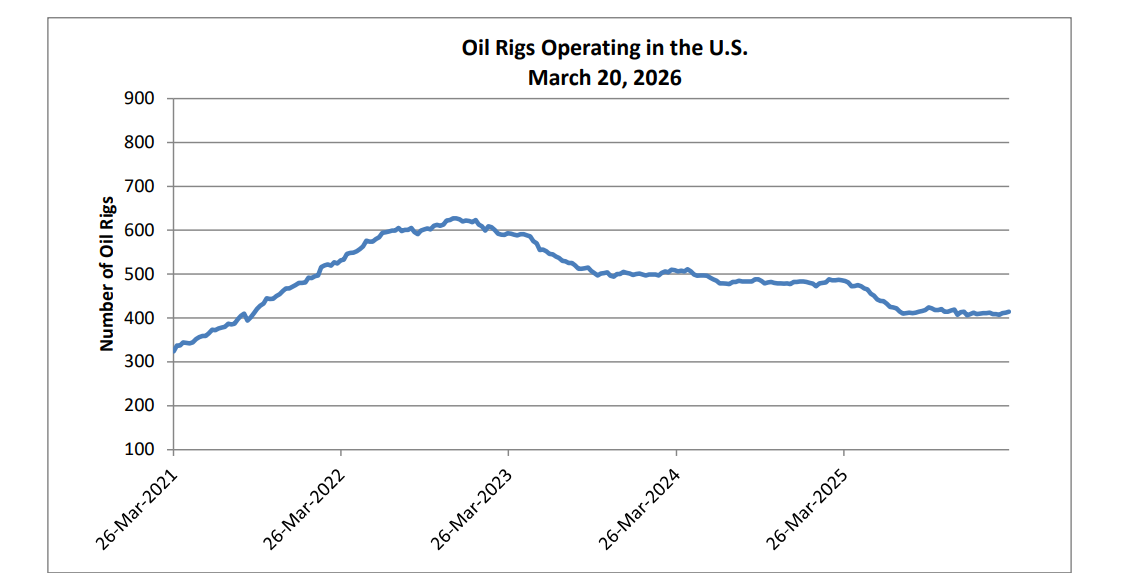
- Rig Count: Lower, positive for price stability.
Market Indicators:
- Hedge Favorability Index: Decreased to 17.88%, indicating lower attractiveness for hedging 1-3 years forward.
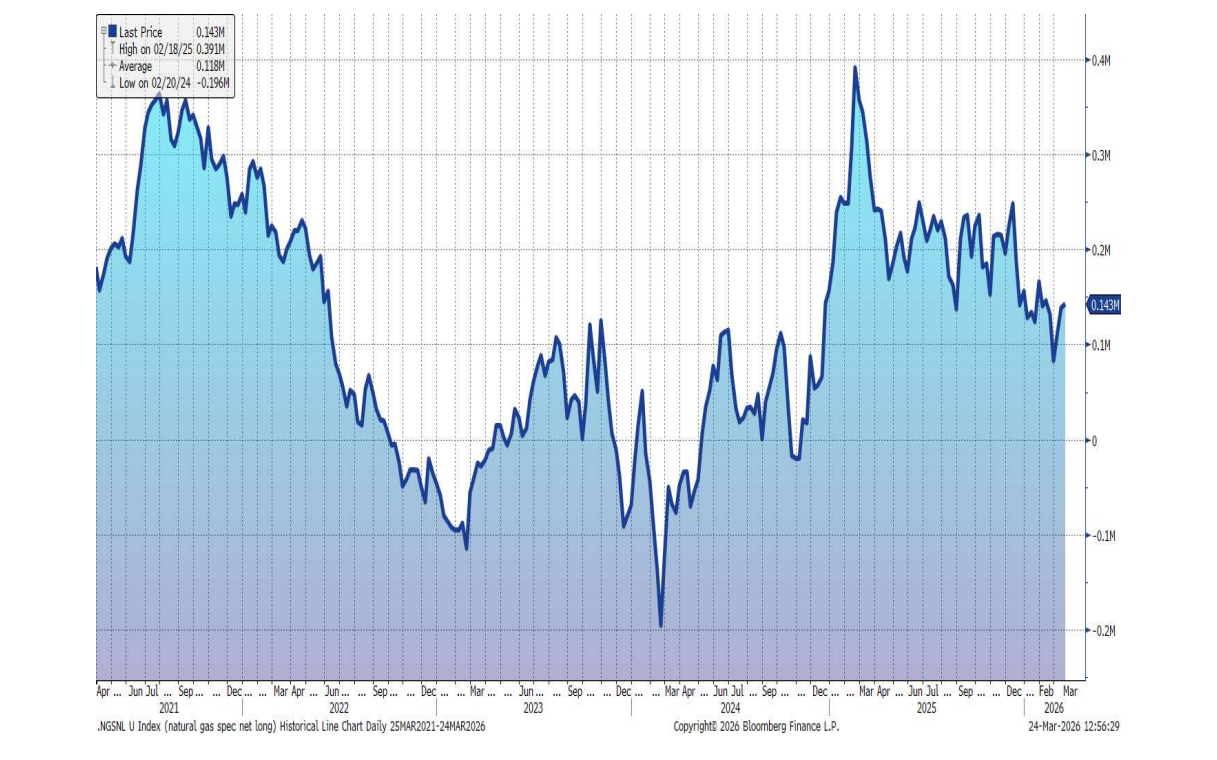
- Speculation: Increased, which supports higher prices.
Forecast:
- With LNG exports maxed out and inventories relatively high, natural gas prices are likely to remain low unless there is a significant weather event.
FUEL HEDGING & PETROLEUM MARKET COMMENTARY (March 23, 2026)
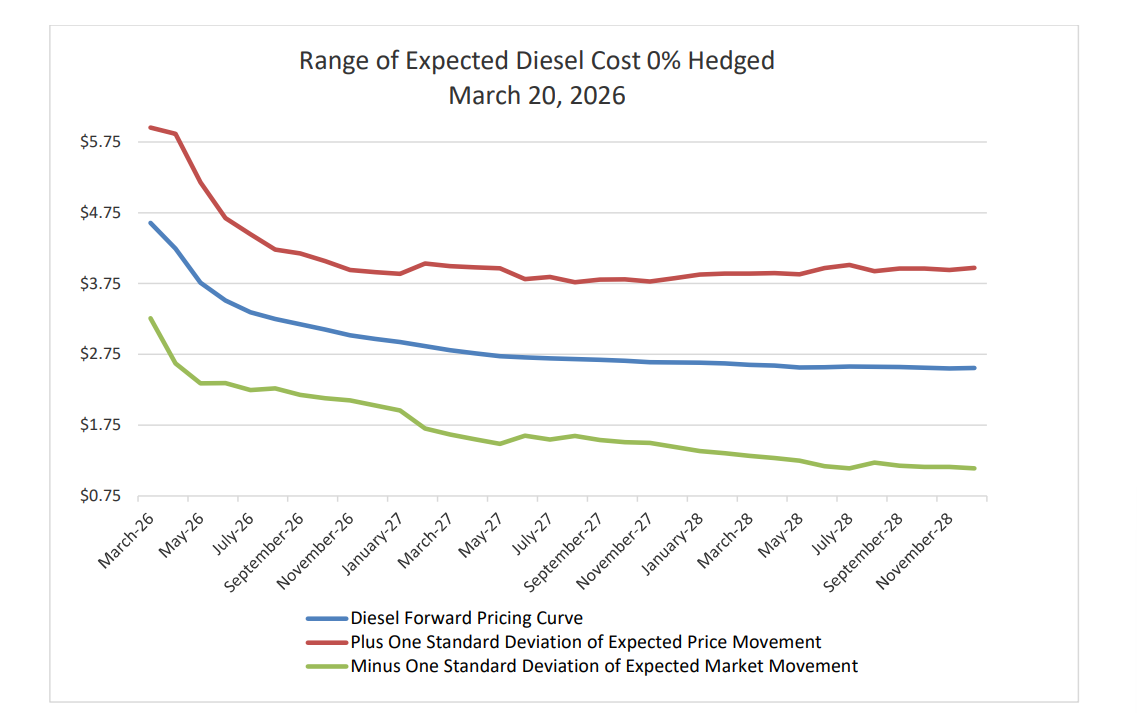
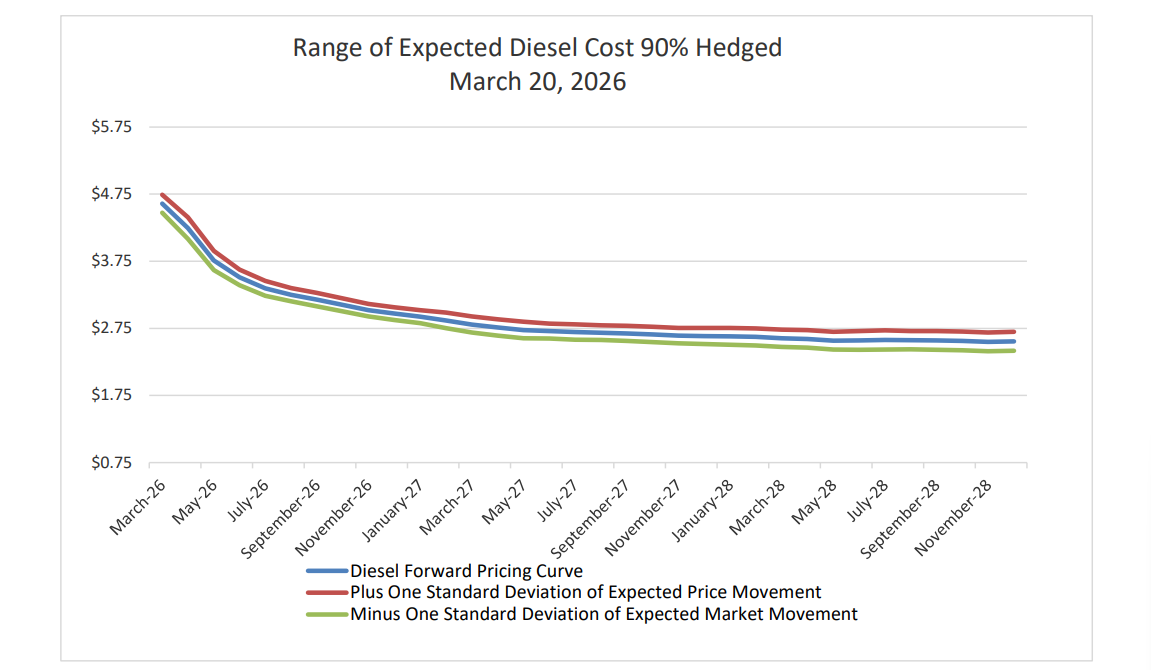
PRICES HIGHER – CRUDE OIL PRODUCTION LOWER – INVENTORY LOWER - DOLLAR LOWER – STOCK MARKET LOWER – SPECULATION HIGHER - DEMAND HIGHER – HEDGE FAVORABILITY LOWER – EXPECTED PRICE VARIABILITY/CASH FLOW AT RISK LOWER
Price Movement:
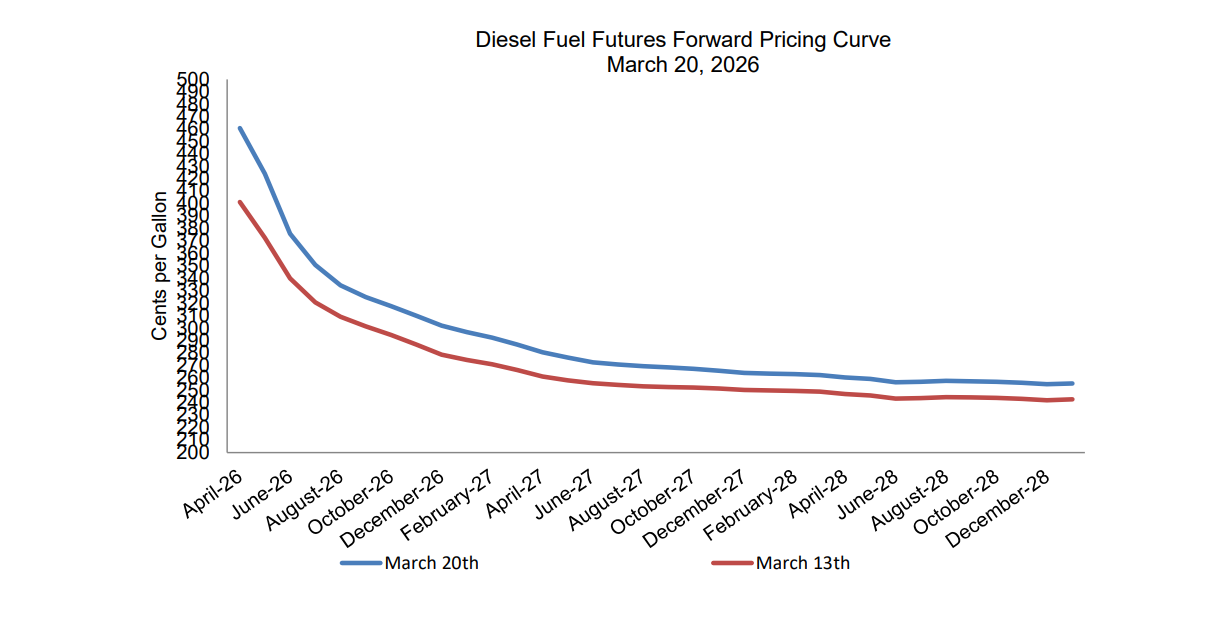
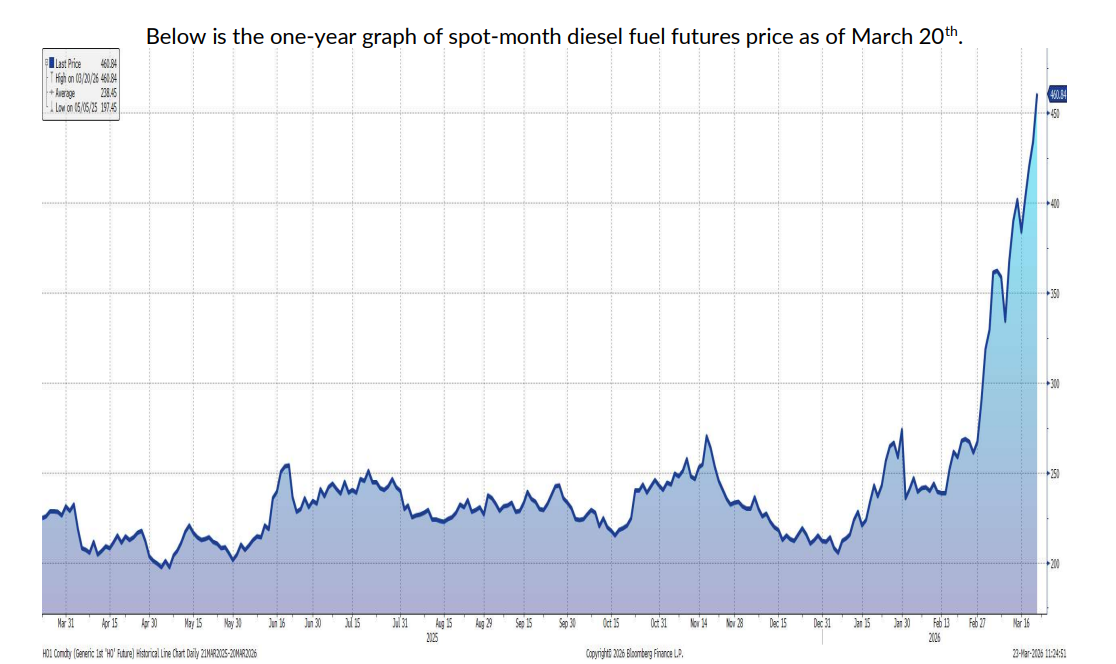
- Diesel: Increased by $0.5937 per gallon
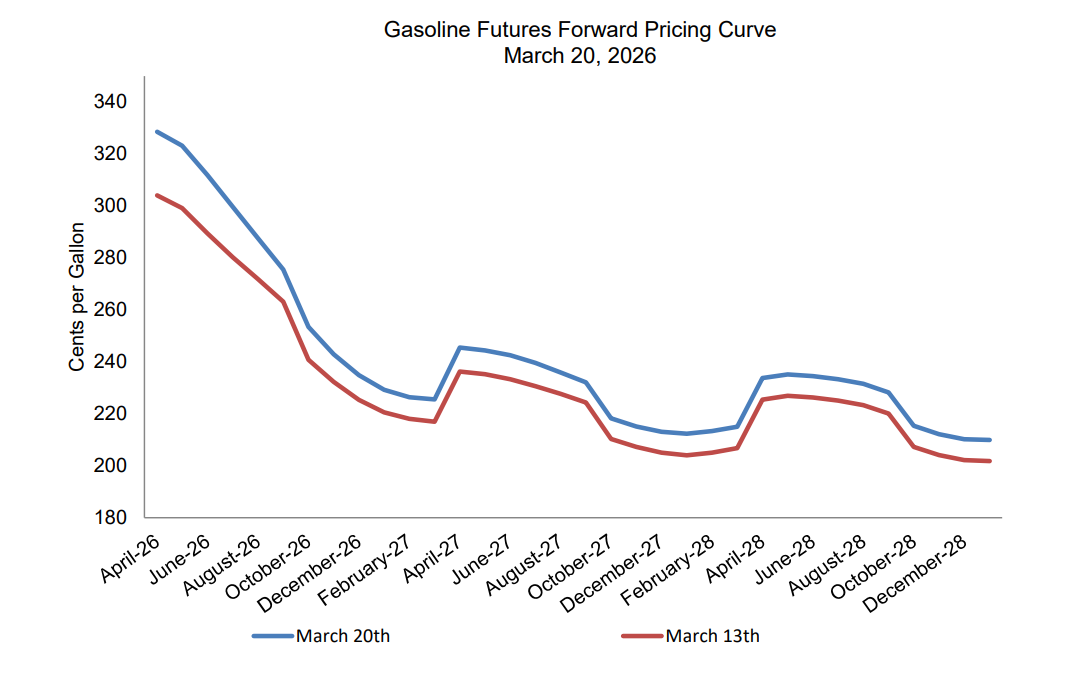
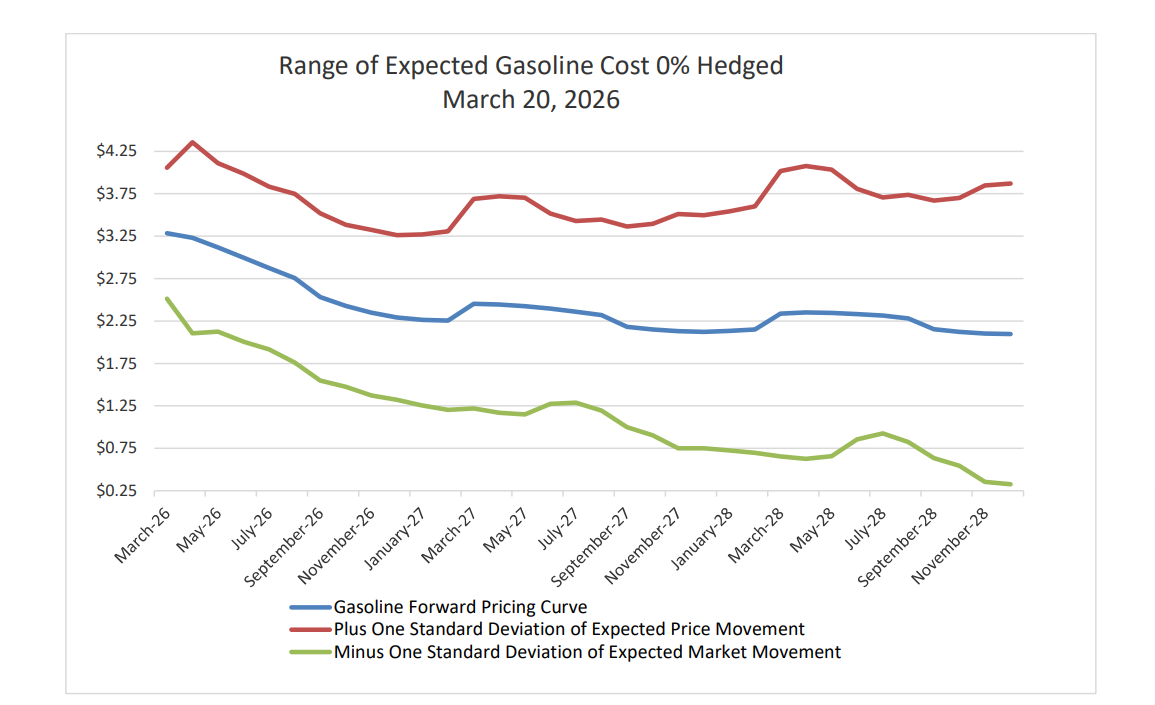
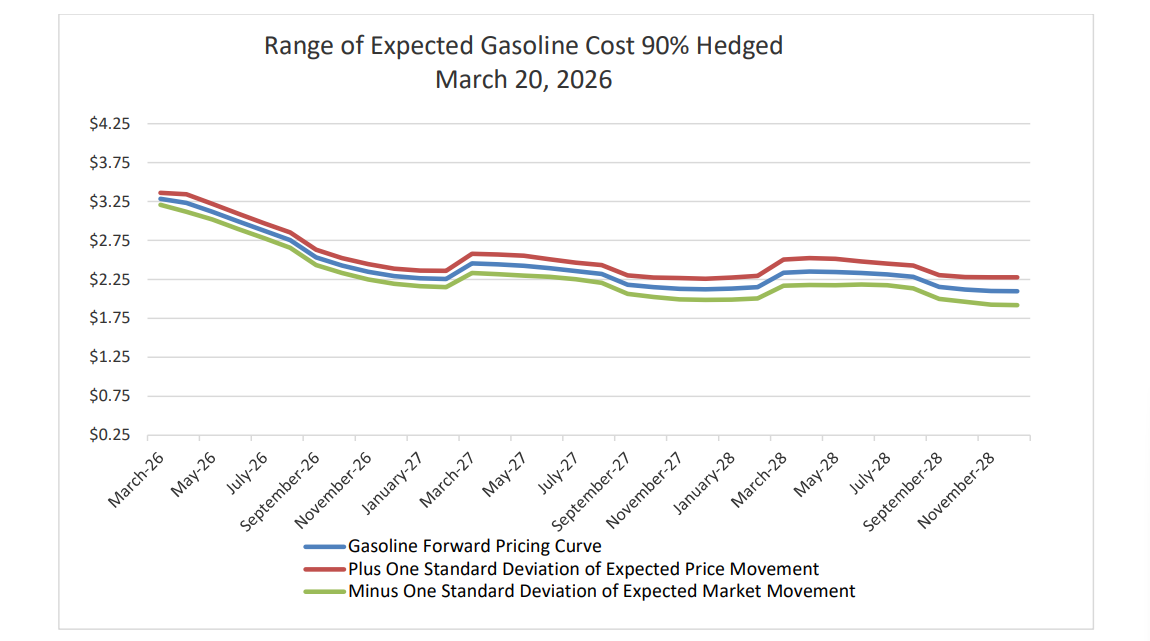
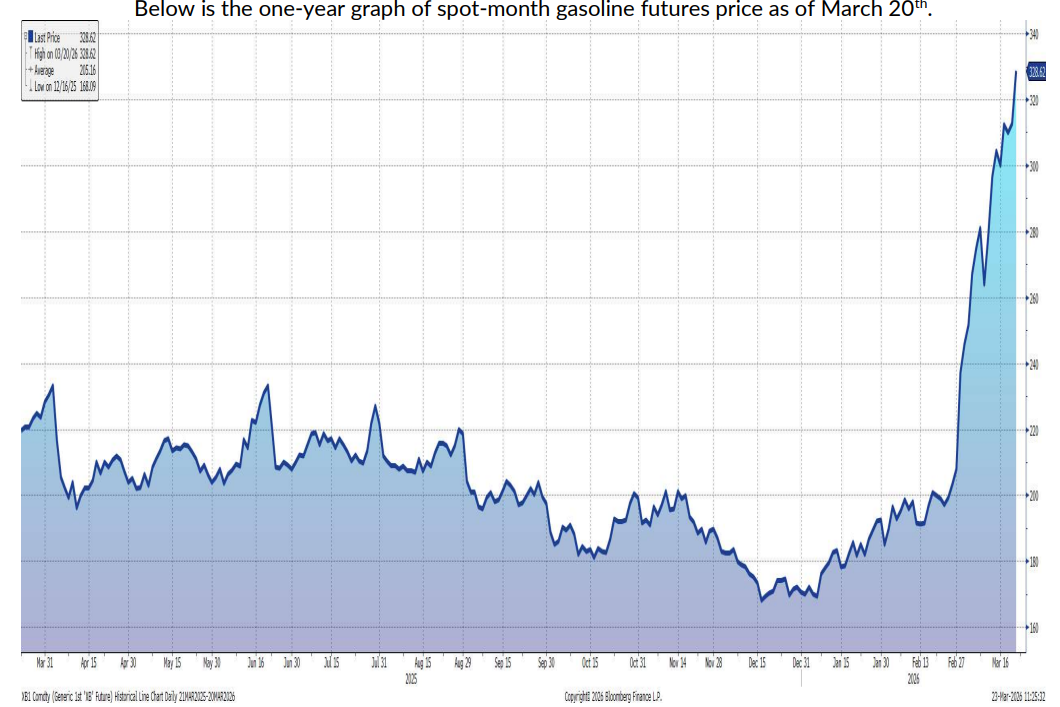
- Gasoline: Increased by $0.2448 per gallon
Key Drivers:
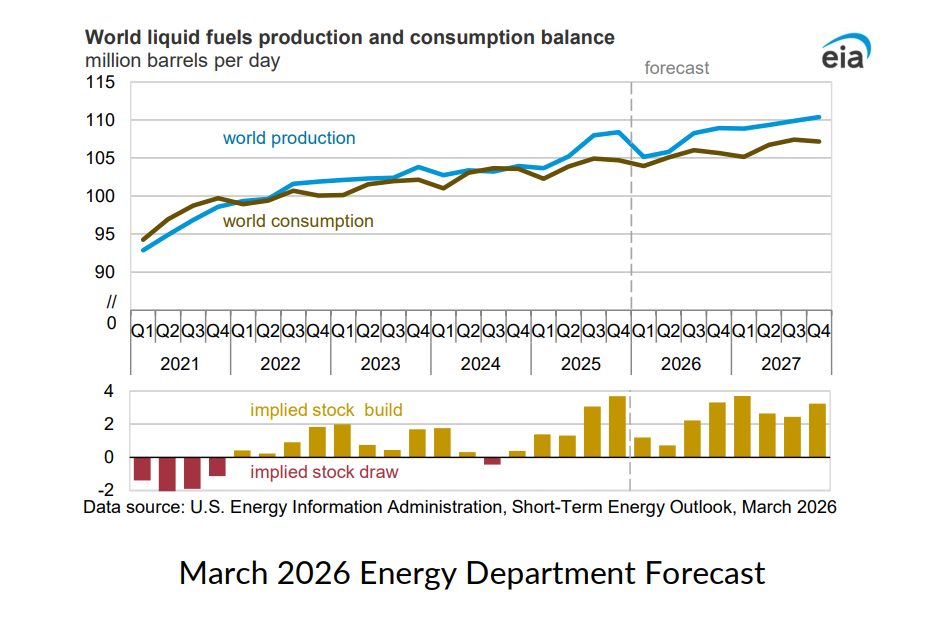
- Iran Conflict: The situation in Iran continues to impact global oil supply, with discussions to open the Strait of Hormuz. The potential for further escalation could increase prices.
- Saudi Pipeline: Saudi Arabia’s pipeline to the Red Sea continues to carry crude oil, helping to stabilize supply and reduce price spikes.
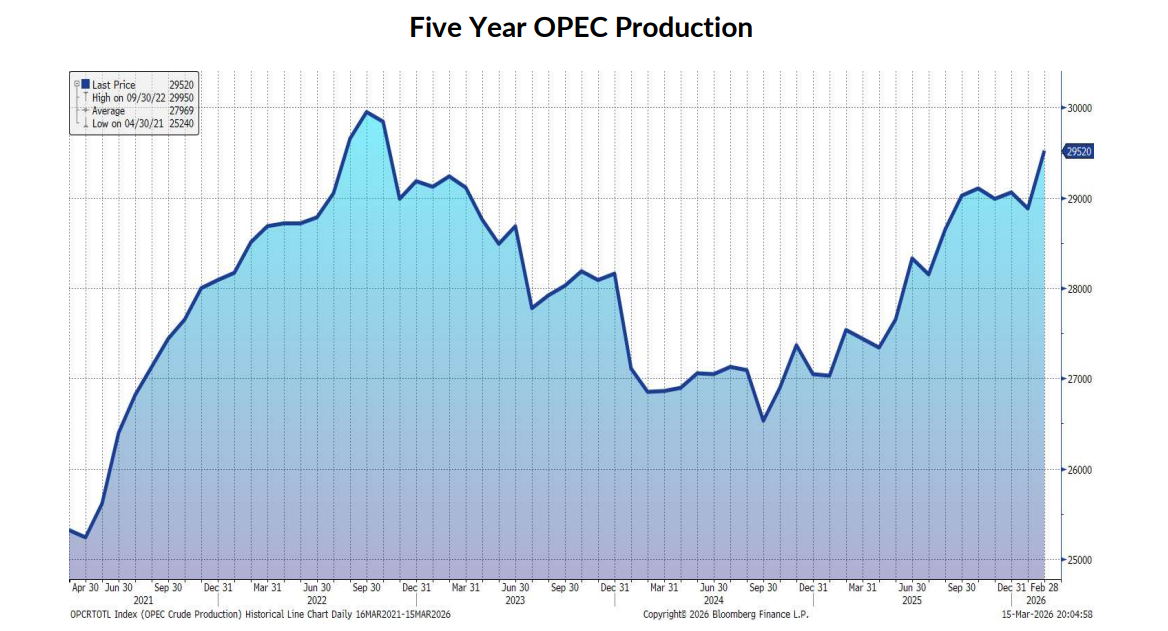
- OPEC Production: Saudi Arabia’s and Venezuela’s increased production levels could mitigate some price rises.
- Global Supply Disruptions: The closure of the Strait of Hormuz is a major supply disruption, driving prices higher globally.
Market Indicators:
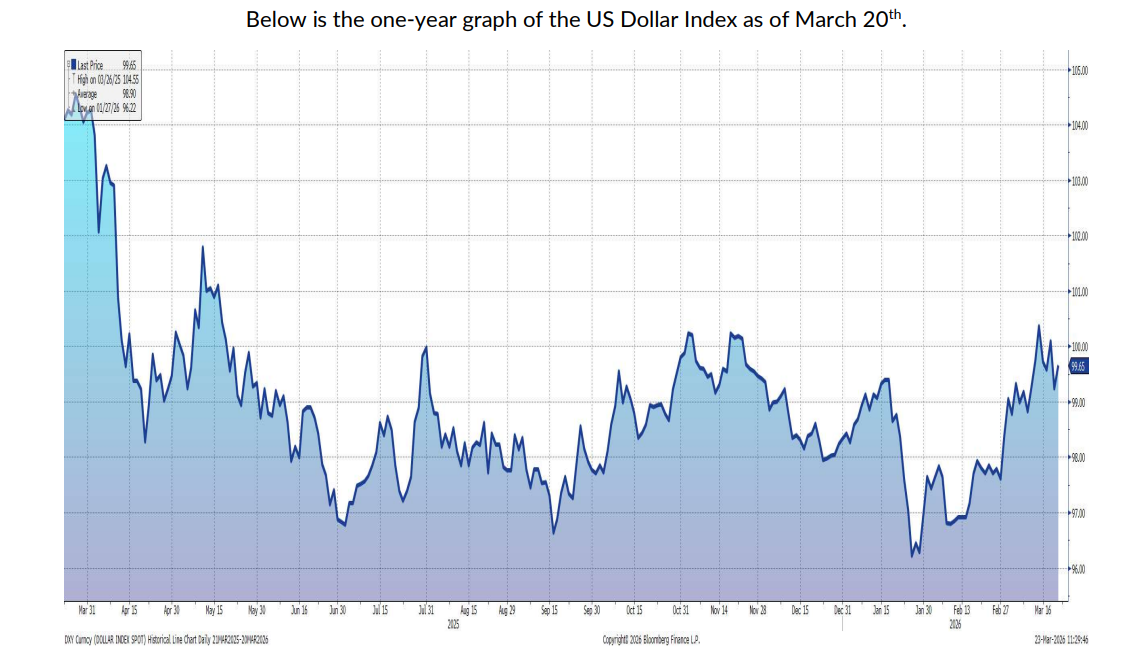
- US Dollar: Decreased by -0.71%, positive for petroleum prices.
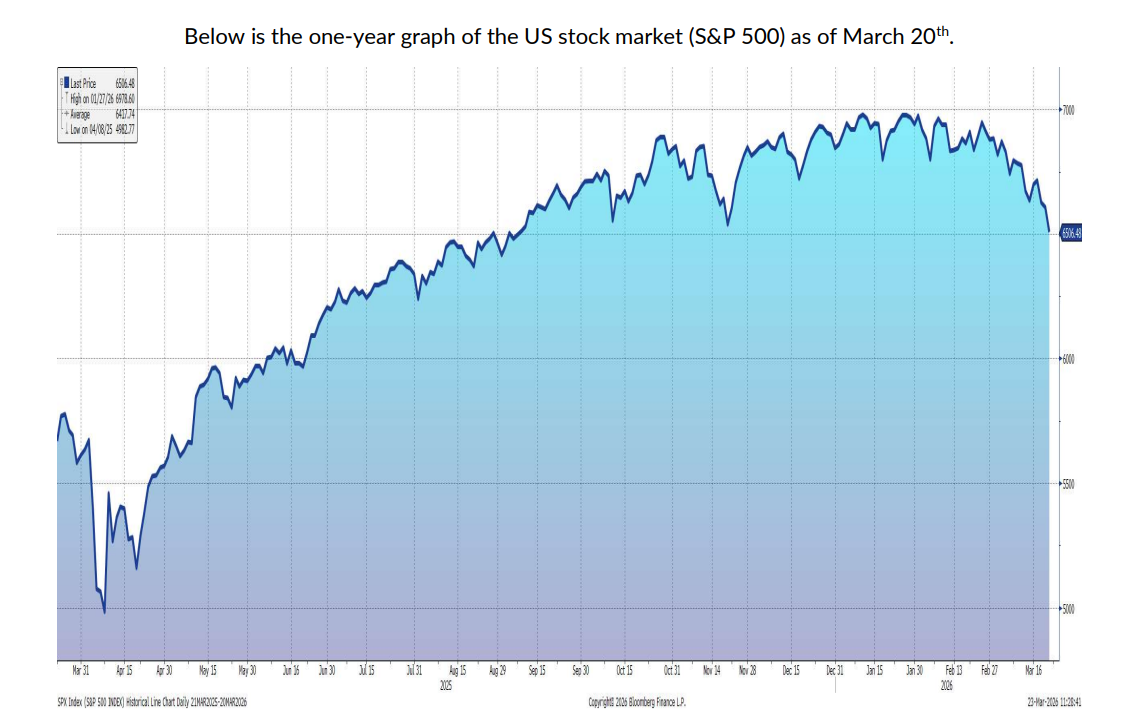
- Stock Market: Decreased by -1.87%, which is negative for demand expectations.
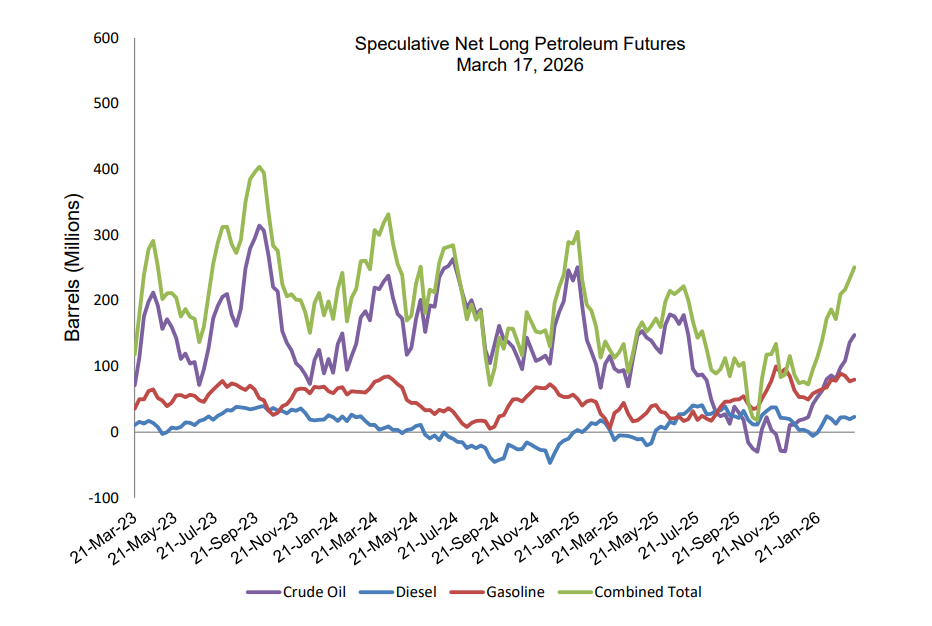
- Speculation: Increased, which further supports higher prices.
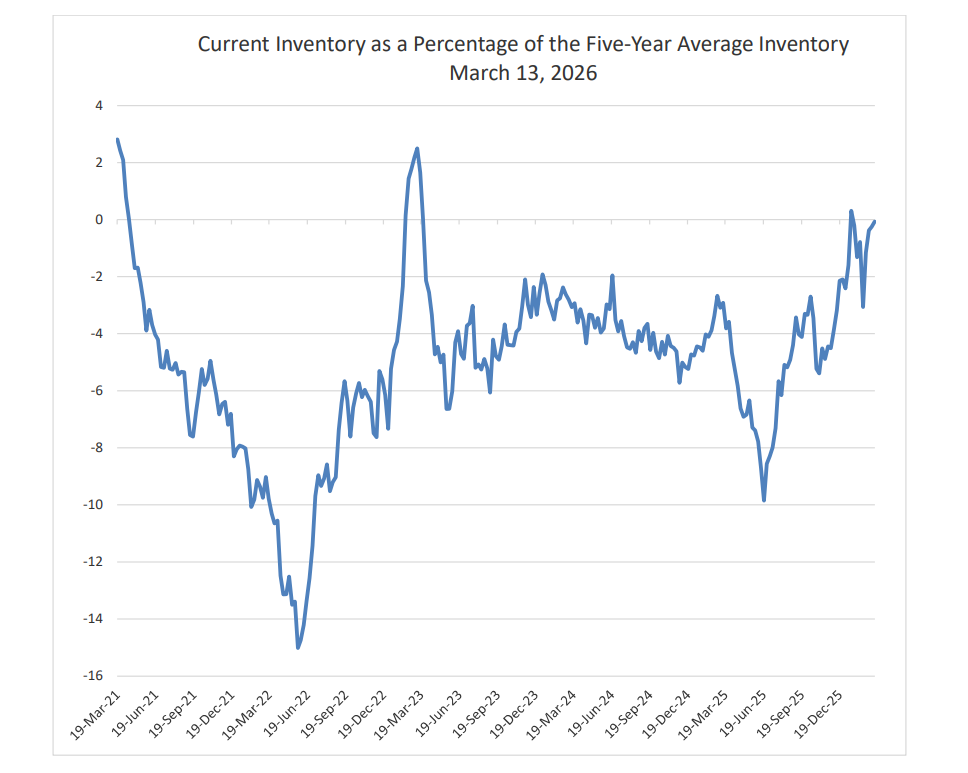
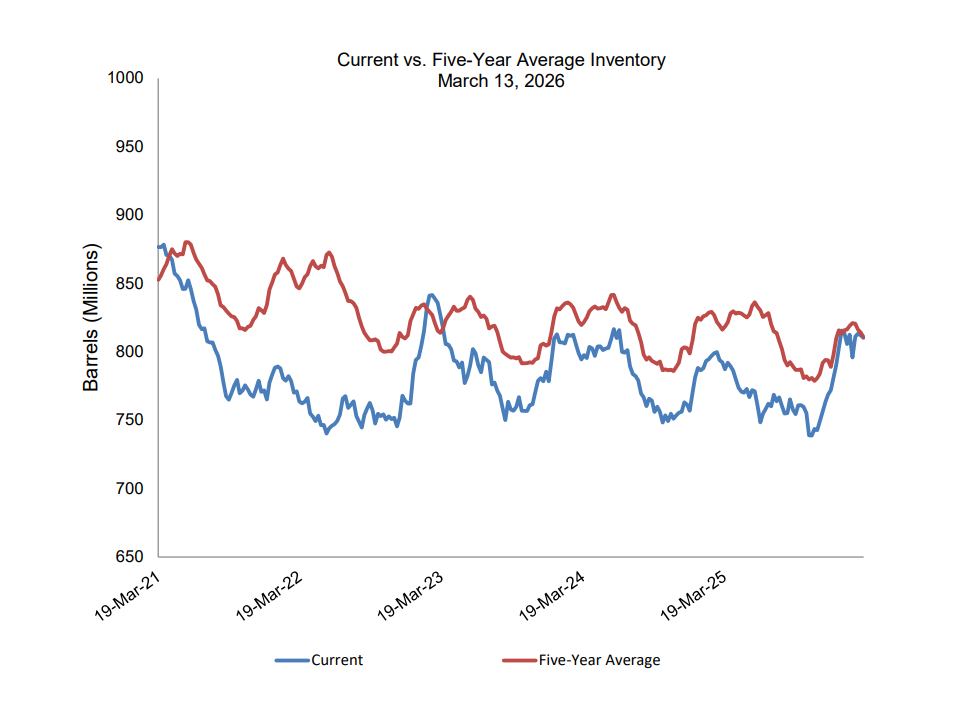
- Inventory: Decreased by -1.81 million barrels, signaling tightening supply.
Forecast:
- Geopolitical tensions in the Persian Gulf and global supply concerns will likely keep petroleum prices volatile. OPEC production increases and potential geopolitical resolutions may provide some price relief.